

How to Fuel – with 226ERS
WHY NUTRITION MATTERS
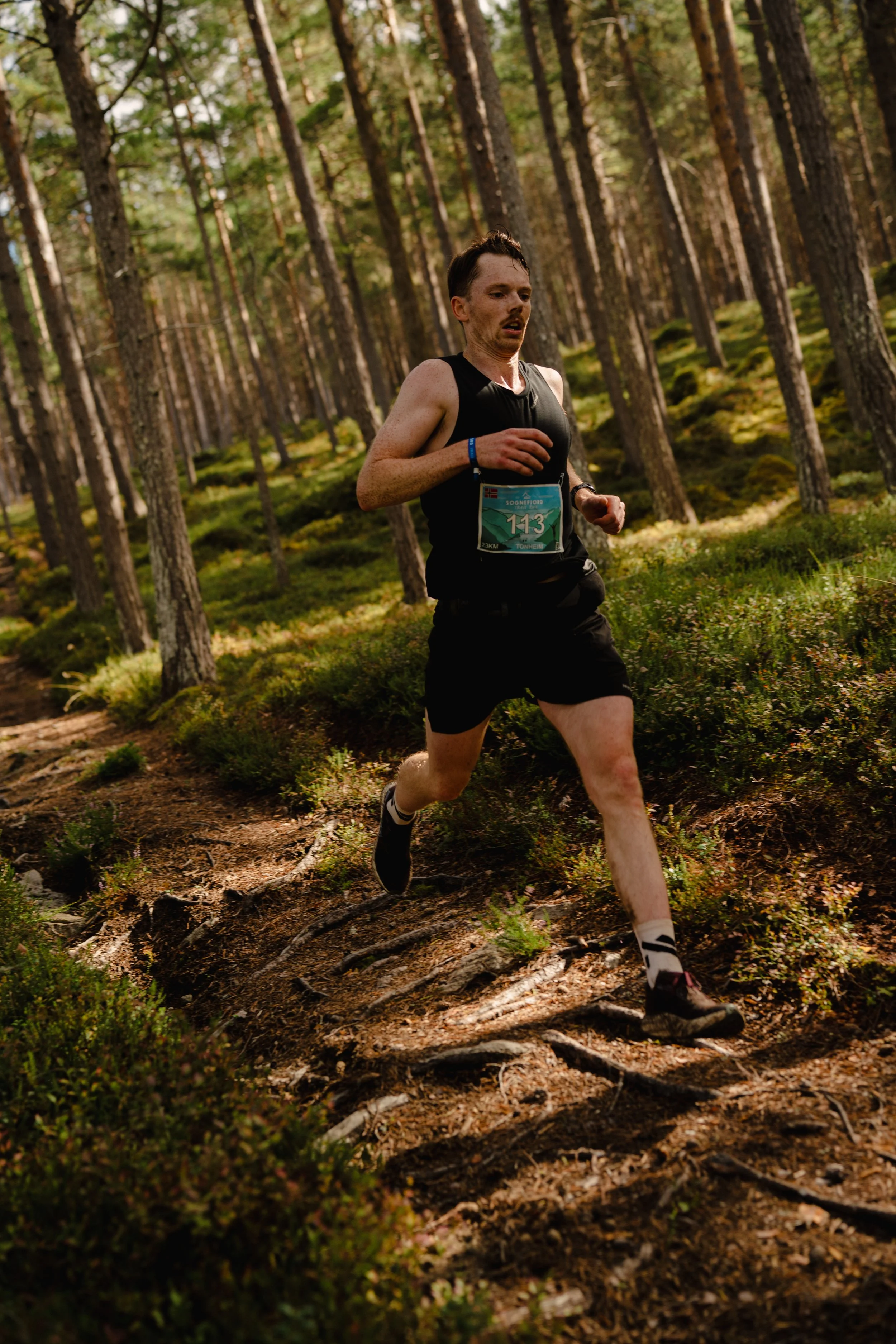
Good nutrition is an important part of performing well in trail running. During a race, your body needs a steady supply of energy and fluids to maintain performance, especially as the distance and duration increase.
A good nutrition strategy can help you keep your energy levels stable, stay focused and perform better throughout the race. Just like your training, your nutrition should be planned and tested before race day.
The longer the race, the more important your nutrition strategy becomes.
TRAIN YOUR NUTRITION
Use your long runs to practise the nutrition plan you want to follow on race day. Test how often you need to eat and drink, which products work for you, and how your stomach reacts while running.
The more familiar your body is with your nutrition strategy, the easier it is to follow when it matters most.
Stick to what you know on race day.
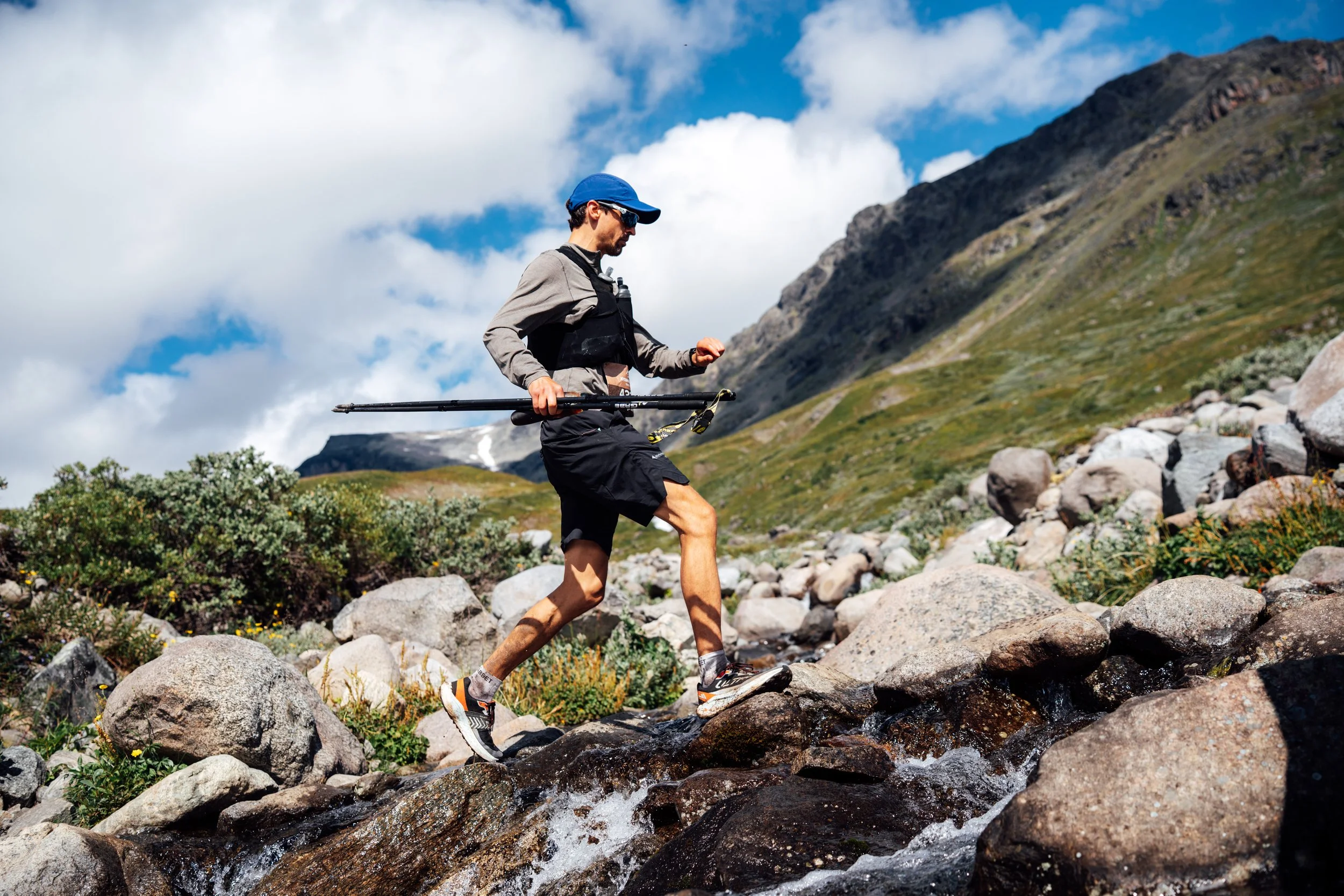
Jotunheimen Trail Run 73K.
BEFORE THE RACE
Good race-day nutrition starts well before the start line. In the days leading up to the race, focus on familiar meals, enough carbohydrates and staying well hydrated.
On race morning, stick to foods you know work for you. The goal is to start the race with your energy stores topped up, without feeling too full or uncomfortable.
2–3 HOURS BEFORE START
Eat a familiar, carbohydrate-rich breakfast and drink enough fluids to start the race well hydrated. Keep the meal relatively simple and avoid foods you have not tested before training or racing.
15 MINUTES BEFORE START
A small carbohydrate top-up shortly before the start can be useful, especially for longer races.
Around 20–30 g of carbohydrates can work well, for example from a gel or sports drink that you have already tested in training.
DURING THE RACE
Once the race starts, aim to keep your carbohydrate intake steady. Start fueling early and regularly rather than waiting until you feel tired or hungry.
Your carbohydrate needs will depend mainly on how long you expect to be racing:
1–2 hours: 30–60 g carbohydrates/hour
2–4 hours: 60–75 g carbohydrates/hour
4+ hours: 75–90 g carbohydrates/hour
Use a combination of gels, sports drink and food from the aid stations to reach your target. Find a strategy that works for you in training, and stick with it on race day.
HYDRATION
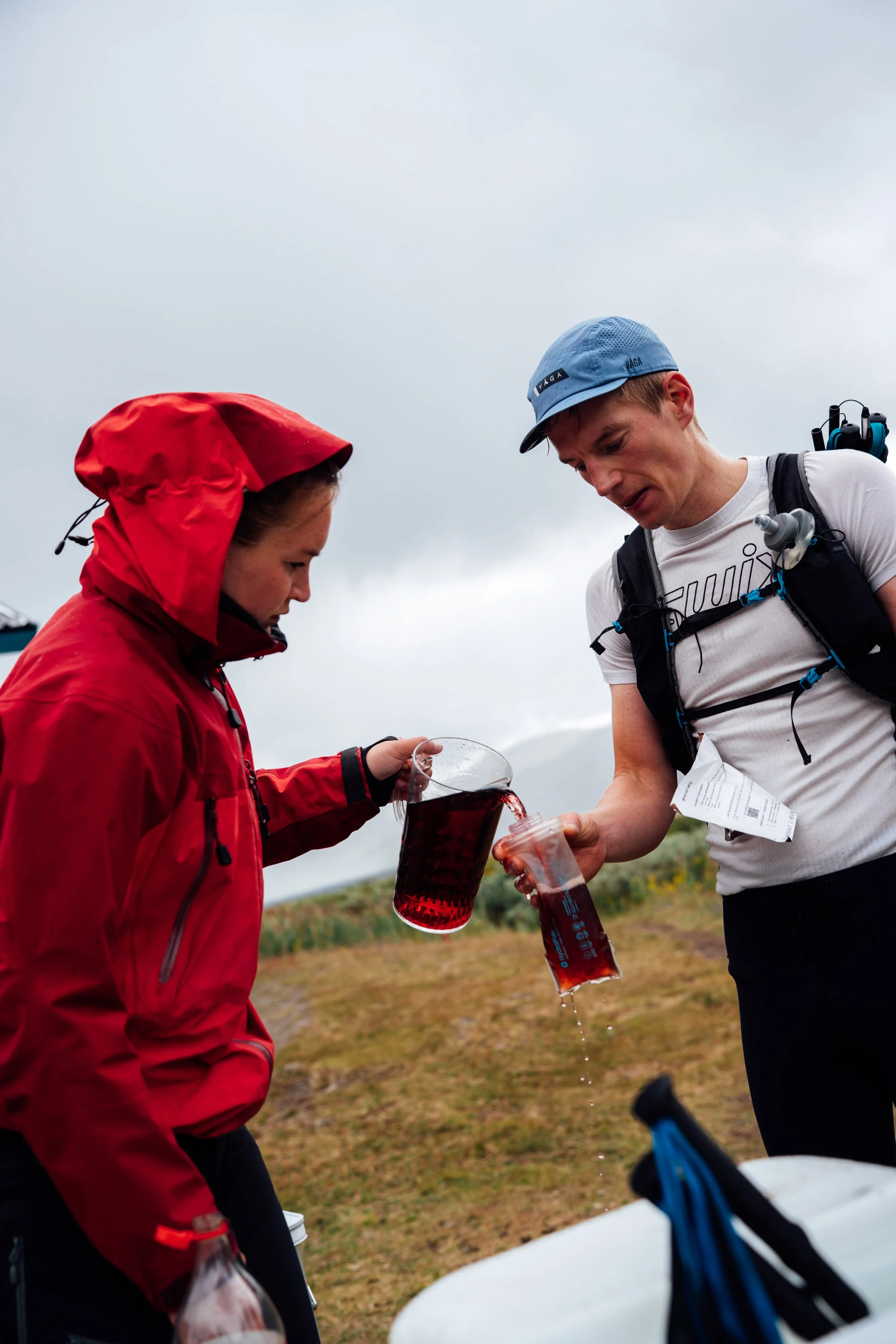
Drink regularly throughout the race rather than taking large amounts at once. Your fluid needs will depend on the temperature, intensity, race duration and how much you sweat.
Use the aid stations to refill your bottles and adjust your intake to the conditions.
AFTER THE RACE
Recovery starts as soon as you cross the finish line. Try to eat and drink within the first 30 minutes to start replacing the energy and fluids used during the race.
Aim for around 80–100 g of carbohydrates after a long effort to help refill your glycogen stores.
Add fluids and some protein, and follow up with a proper meal when you are ready.
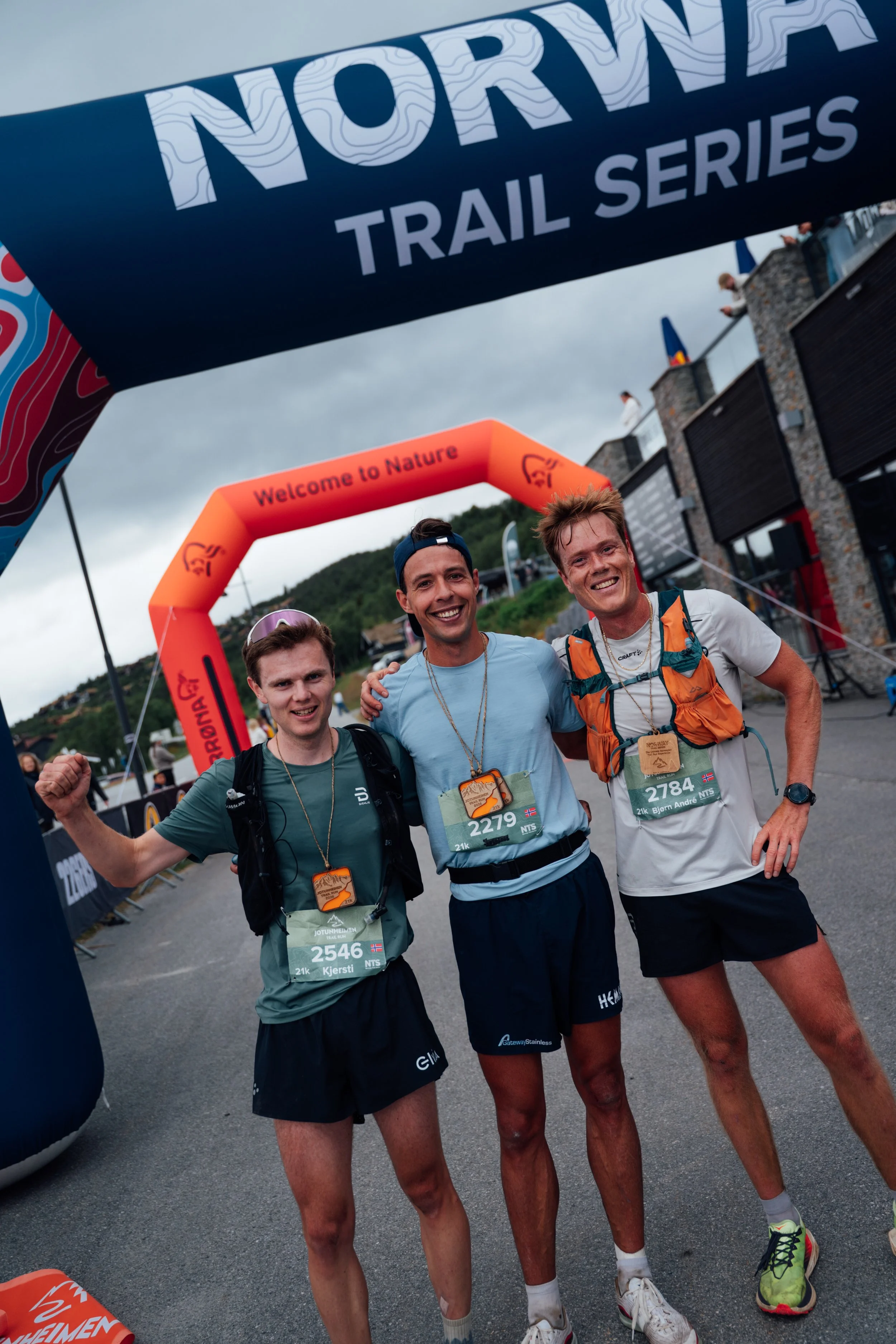
Jotunheimen Trail Run – Top 3 in the Men's Half Marathon
EXAMPLE RACE NUTRITION PLAN
See how a race-day nutrition strategy can look in practice with this example from Geilo Trail Run. Use it as inspiration when planning your own nutrition, and adjust the amount and timing based on your race duration, intensity and individual needs.
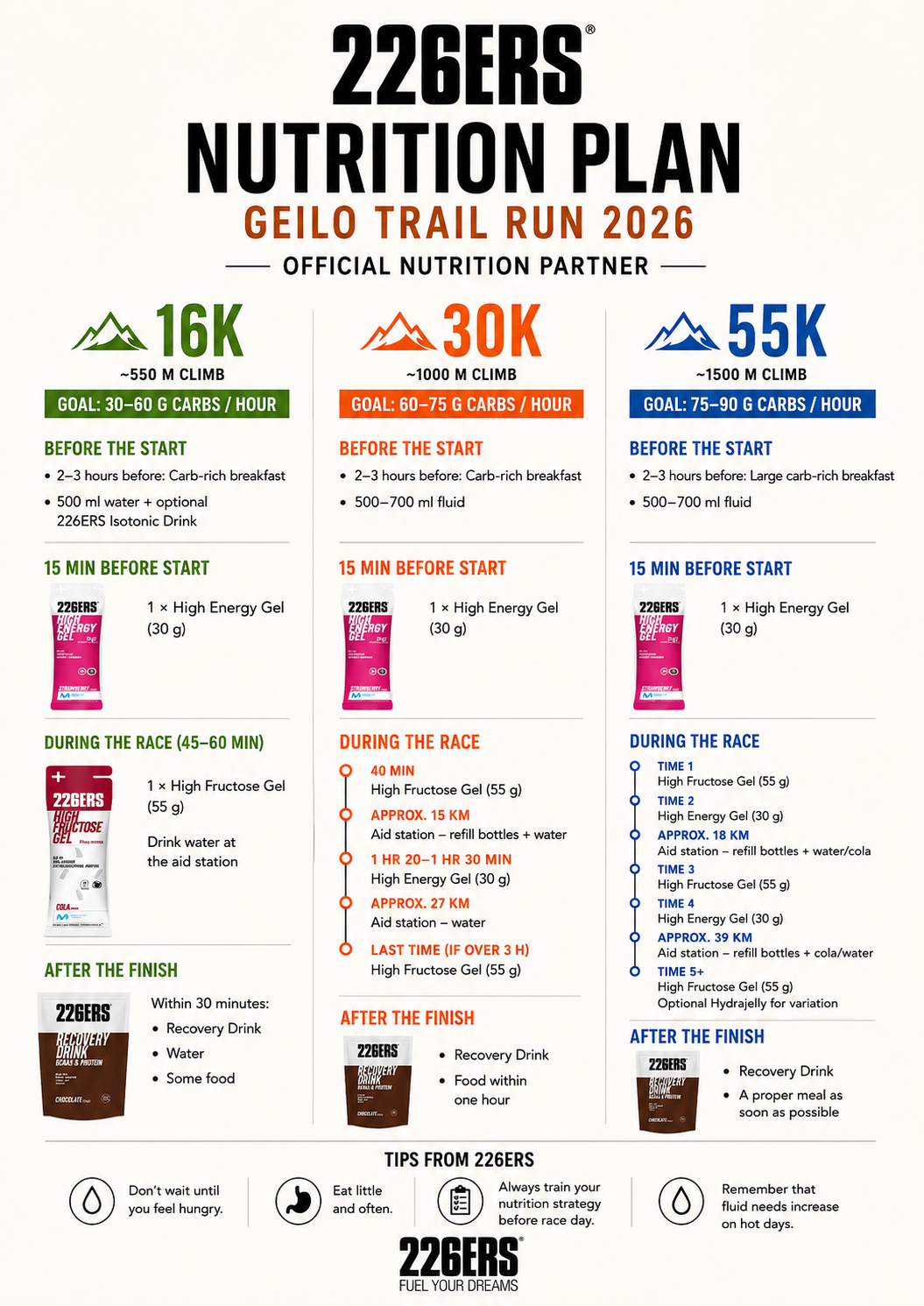
Nutrion guide for Geilo Trail Run made by 226ers
